
2026 Must Ask Questions For Your (potential) Wedding Photographer
The world is changing, technology is advancing and whether your budget is $1,000 or $50,000 - there’s a few things you should absolutely ask every wedding photographer you chat with.
You’re choosing the person who will be beside you through some of the most emotional, chaotic, hilarious, and meaningful hours of your life. The right photographer should create beautiful images, but they should also make you feel comfortable, cared for, and completely yourselves. Before booking, here are the questions worth asking.
Here are the questions to ask before you book your wedding photographer.
1. Do you use AI in your photography? If so, how?
This is a new question, but an important one.
Photographers may use AI for things like basic editing, retouching, image organization, or removing distracting objects from a photograph. Those are very different uses than generating or significantly altering parts of an image or culling the images (i.e. relying on AI to look through all the images taken and sort the bests) is not ideal.
Ask your potential photographer what role AI plays in their workflow and whether it affects the final photographs you receive. There is no single right answer, but you should know what you’re comfortable with before booking.
2. Will you personally be our wedding photographer?
This one sounds obvious, but it’s worth asking.
Some studios are made up of multiple photographers, and sometimes the person whose work you fell in love with is not the person who will actually be photographing your wedding. Several will hire out of studio photographers that they do not even know personally, so shoot the wedding instead. It’s generally frowned upon in the industry but it does not stop people.
Ask:
- Will the photographer I’m speaking with be there?
- Who will photograph the wedding if the studio owner is unavailable?
- Is a second photographer included?
- Could an associate photographer be assigned later?
The photographer’s presence, personality, and creative eye are a huge part of the experience, not just the final gallery.
3. How would you describe your photography style?
“Candid,” “documentary,” “editorial,” and “natural” can mean wildly different things depending on who is saying them.
Ask your photographer how they actually work during the day. Do they mostly observe? Do they give a lot of direction? Do they create time for portraits? Are they comfortable using flash at the reception? How involved are they with the timeline?
The best wedding photography usually has a little bit of everything: honest documentary moments, thoughtful portraits, family photos that don’t take forever, and images that feel like they could belong in an editorial without making the day feel like a styled shoot.
4. Can we see a full wedding gallery?
This is one of the most important questions to ask a wedding photographer.
A curated Instagram feed shows the highlights. A full gallery shows you how that photographer handles an entire wedding day.
When you look through a full gallery, pay attention to:
- Getting-ready photos
- Family portraits
- Ceremony coverage
- Indoor and outdoor lighting
- Reception details
- Flash photography
- Emotional moments
- Dance-floor images
- Portraits of the couple
- The overall consistency of the gallery
You want to see more than a few beautiful images. You want to understand how the photographer tells a complete story.
5. How do you handle difficult lighting?
Your wedding probably will not take place in perfect golden-hour light from beginning to end. There may be harsh afternoon sun, a dark church, a rainy ceremony, mixed lighting, or a reception in a room that seems to have been designed specifically to challenge photographers.
Pay attention to examples in, harsh sunlight, low light, indoor venues, rain, mixed lighting, flash-heavy receptions, & dark dance floors.
A photographer’s ability to work with the light that actually exists is much more important than whether every image in their portfolio was made at sunset.
6. What happens if the timeline runs behind?
Things run late at weddings. Hair and makeup takes longer than expected. Transportation gets delayed. Family members disappear right before photos. Dinner service shifts. Someone’s bustle becomes a full engineering project.
The question is not whether something will run behind. It’s how your photographer handles it and if they’re going to run off as soon as their paid clock ends.
Ask how they communicate with your planner or coordinator, what parts of the timeline can be adjusted, and how they decide which moments need to be protected.
A good wedding photographer should stay calm, figure out what matters most, and help keep the day moving without making you feel like you’ve done something wrong.
7. How many photos will we receive?
The number of images will depend on your coverage hours, guest count, number of events, second photographer, and how much happens throughout the day. It is also worth asking whether the photographer delivers every usable image or a carefully edited selection.
More photos do not always mean better coverage. You want a gallery that feels complete and varied—not 1,200 versions of the same table centerpiece or 400 dance-floor photos that all look alike.
Ask how many images are typical for the amount of coverage you’re considering and what is included in the final delivery.
8. How do you make portraits feel natural?
Most people are not professional models. Most people also do not naturally know what to do with their hands when someone points a camera at them.
Ask how your photographer works with couples who feel awkward, nervous, or uncomfortable in front of the camera.
Good portraits usually come from a combination of direction, movement, good light, and enough time to settle in. You should feel guided, not micromanaged.
If you love beautiful editorial portraits, ask how much time your photographer recommends setting aside for them. If you would rather spend that time at cocktail hour, say that too. There is no correct amount of portrait time—there is only the amount that feels right for you.
9. How much time should we plan for portraits and family photos?
Your photographer should be able to help you create a realistic wedding photography timeline.
Ask how much time they recommend for:
- A first look
- Family photos
- Wedding party portraits
- Couple portraits
- Sunset portraits
- A second look or outfit change
- Any rehearsal dinner or welcome-party coverage
Some couples want a quick set of portraits and then want to get back to their guests. Others want a more intentional editorial portrait experience. Your photographer should be able to adapt instead of forcing every couple into the same schedule.
10. When will we receive our wedding photos?
Ask when your sneak peeks and full gallery will be delivered.
You should also ask how the images will be delivered, how long the gallery will remain online, whether you receive high-resolution files, and whether printing rights are included.
11. What happens if you are sick or unable to photograph our wedding?
No one loves thinking about this, but it is a necessary question.
Ask whether your photographer has a backup plan, a trusted network, or an associate photographer who could step in during an emergency. Make sure the policy is explained clearly in the contract.
12. How are our images backed up?
Your wedding photos are irreplaceable, so your photographer should have a clear backup process.
Ask:
- How are images backed up during the wedding?
- Are files stored in more than one place?
- How long are galleries and files retained?
- What happens if a memory card or hard drive fails?
You do not need to understand every technical detail. You just need to feel confident that your photographs are being treated like the important files they are.
13. How do we feel when we talk to you?
Do you feel listened to? Do you like their energy? Do they seem genuinely interested in your wedding, or are they rushing you through a sales call? Can you imagine having this person around during the emotional, chaotic, deeply personal parts of the day?
Your photographer will be present for family dynamics, nerves, tears, quiet moments, and a lot of dancing. You should feel comfortable with them—not just impressed by their portfolio.
The right wedding photographer is more than a pretty gallery.
View portfolio.
The right photographer should create beautiful photographs, but they should also make the process feel easier.
Ask the practical questions. Ask about AI. Ask who will actually be there. Ask how many images you’ll receive and what happens if the timeline falls apart. Then pay attention to how the photographer answers.
You want someone whose work feels like you, whose approach fits the way you want to experience your wedding, and whose presence adds something good to the day.
That means photographing weddings with a mix of documentary coverage, editorial portraits, real emotion, excellent dance-floor energy, and enough flexibility to let the day be what it is.
If that sounds like your kind of photography, learn more about working together.
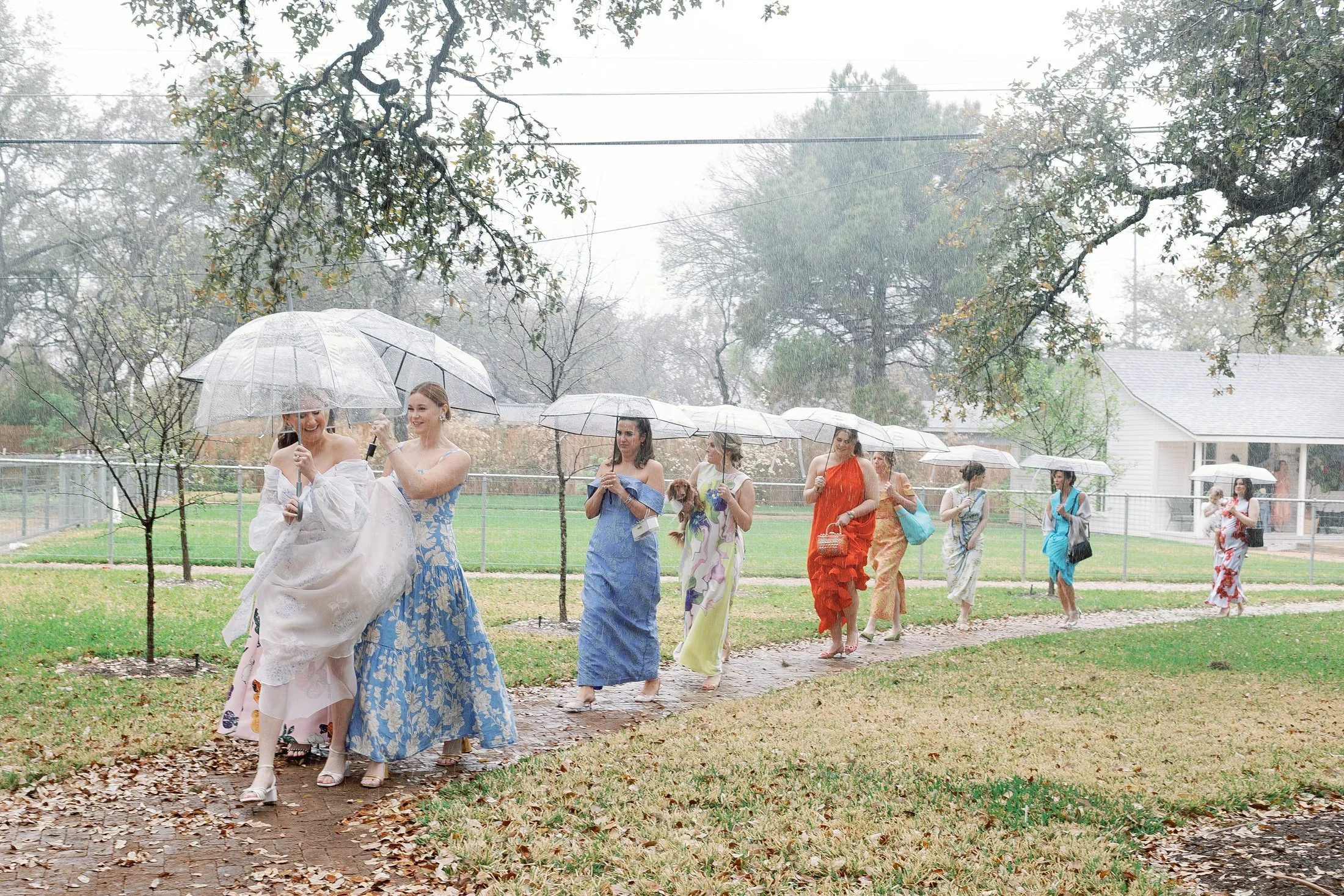
Choosing an Austin wedding photographer involves more than finding images you love. These questions will help you understand their approach, experience, and what to expect before booking.